
I look at digital platforms with a background in interface analysis https://goldzinocasino.eu.com/. My recent review of the Goldzino Casino website came from a simple question: how does its menu operate for a user? A good menu guides people without them realizing it. This review analyzes the structure, labels, and flow of Goldzino’s navigation. I’m looking at it from an objective, user-focused angle to determine why they built it this way and whether it provides an easy journey.
Initial Impressions and Main Navigation Bar
Goldzino’s homepage appears clean at first glance. The main navigation bar sticks to the top of the screen and displays only a handful of choices. That restraint is a good sign. It indicates the designers didn’t want to drown visitors in options right away. The labels are standard stuff anyone would recognize: Home, Casino, Live Casino, Promotions, Tournaments, and Support. The login and sign-up buttons are placed in a different colour, making them stand out. That’s a basic pattern, but it works. Those key actions remain visible no matter where you go on the site.
Visual Hierarchy and Processing Demand
The menu utilizes font sizes and spacing well, creating a clear order that’s easy to navigate. You can always tell which section you’re in. One big choice is prominent: there are no dropdown menus when you hover over the top items. That means a flatter structure for your first click, sending you to a full page for categories like ‘Casino’. This cuts down on initial complexity but puts more pressure on how those inner pages are organized. The trade-off is a cleaner look and simple starting points, at the cost of immediate depth.
Account and Support Availability
How straightforward it is to find your account settings or get help reveals much about a menu. Goldzino places these under a user icon or a ‘Support’ link. The support area often structures topics into a clear hierarchy, handling everything from deposits to tech problems, and includes direct contact like live chat. The logic here is about solving problems fast. Combining all support and account tools together means help is never more than a couple of clicks away. That’s crucial for building trust, especially when a user might be annoyed or confused.
The Bonus and Informational Section
The ‘Promotions’ section uses a different rulebook. The menu leads to a one page you scroll through. Each offer appears in its own clear box, with the terms upfront and a bright button to use it. The logic transitions from multi-route filtering to a linear line of offers, often ordered by importance or date. This matches the content. Bonuses are time-sensitive, and users usually want to review them swiftly to see what they qualify for. The layout places all the details and conditions in one place, so you avoid having to click through layers to understand an offer.
Phone Navigation Optimization
On a smartphone, the menu transforms. It compresses into the standard hamburger icon. Selecting it opens a vertical list of the identical main groups, at times with toggle sections for more detail. The shift functions. It preserves the site’s structure unchanged while accommodating a small screen. Buttons are big enough to press without difficulty, and the path through the site remains logical. The mobile version proves the underlying information grouping is robust, because it can be laid out in a simple line without forgoing its sense.
Live Dealer Casino as a Unique Ecosystem
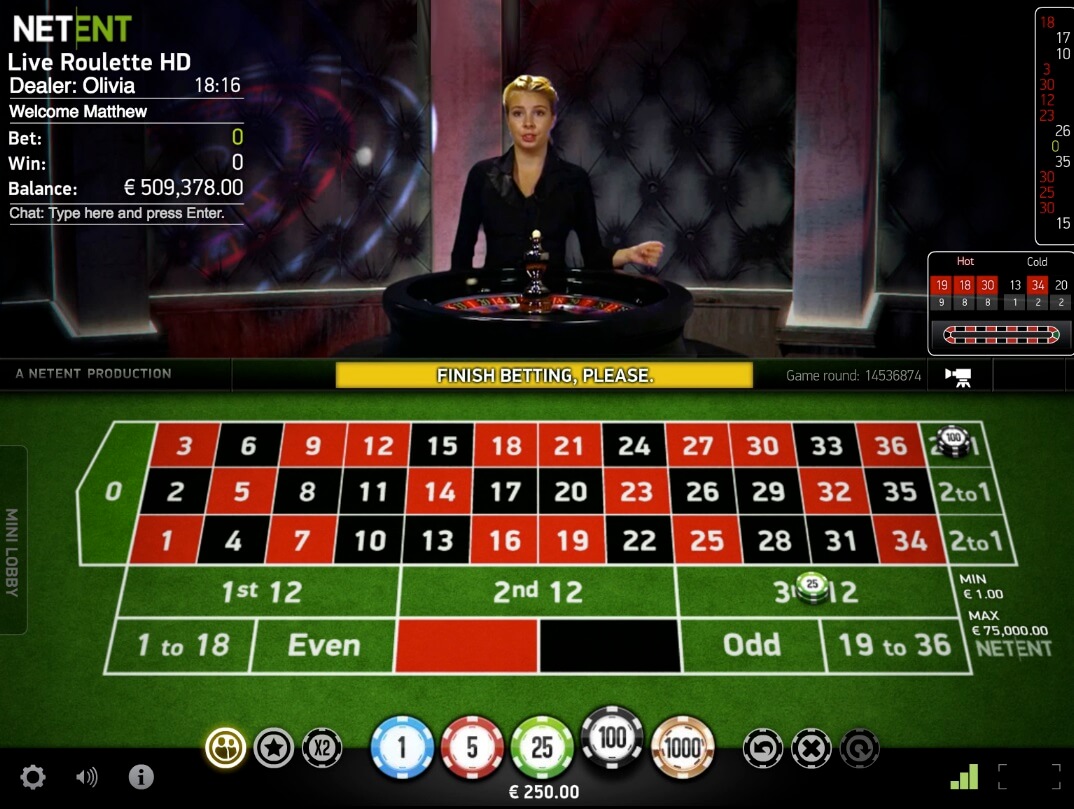
Allocating ‘Live Casino’ its own spot on the main menu is a smart UX decision. It positions live dealer games not as merely another type of casino game, but as a different experience with its unique audience. The content of this section often mirrors the main casino page, but it’s already filtered down to live dealers and relevant providers. This creates a focused space for users who want the real-time, social aspect of live play. They will not need to wade through hundreds of online slots to discover a live roulette wheel.
Deconstructing the “Casino” Landing Page Structure
Tapping ‘Casino’ opens up the platform’s central library. This page functions as a master directory. It doesn’t use nested dropdowns. Instead, you get a filter sidebar on the left and a grid of games in the middle. For a set of hundreds of games, this is logical. You can filter by software company, like NetEnt or Pragmatic Play, or by game type like slots. It works like a library catalogue. The user becomes an active browser, browsing through the collection rather than just tapping pre-set links. It’s more engaging, but it demands the user to think a bit more.
The Purpose of Provider Filtering
Positioning game provider filters front and centre is a wise move. For a lot of seasoned players, the software company is a sign of trust and a style choice. By featuring this filter, Goldzino speaks directly to users who might want everything from Evolution Gaming or hunt for the latest Big Time Gaming slot. It fulfills a specific intent. A player can go straight to their preferred provider’s section without browsing past dozens of other games. It builds several routes to the same content, which is a sign of solid planning.
Mixing Breadth and Immediate Access
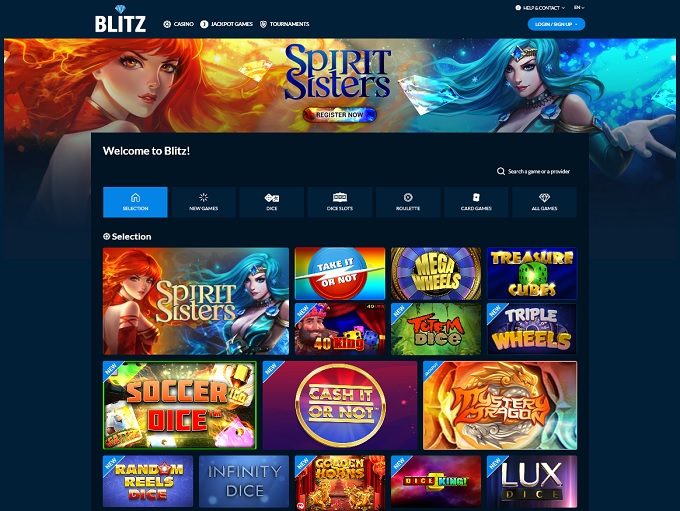
There’s a subtle detail in how they treat popular games. Beside the formal filters, you’ll usually spot hand-picked sections like “Popular Games” or “New Releases” right on the Casino page. This softens the sometimes cold feel of pure filtering. It gives an easy starting point for someone just browsing without a clear target. The design caters to both the aimless browser and the focused hunter within the same space. That shows they’ve planned about different ways people use the site.
Candidate Domains for Iterative Refinement
Nothing is perfect, and there is always space for refinement. One possible addition is a smart search field that offers game name suggestions while typing. That would be a great timesaver for players who are certain of their preferences. Additionally, while the simple top navigation is uncluttered, some landing pages could benefit from a deeper link structure. On the main Casino page, for example, quick buttons for “Megaways Slots” or “Traditional Table Games” could be positioned next to the provider filter. They’d offer another way to refine the selection without compromising the neat overall header.
Evaluative Logic and Industry Standards
Stacked against other casino sites, Goldzino’s menu employs a modern, minimalist approach. It keeps away of the packed, multi-column mega-menus you find on older platforms. This aligns with current UX ideas about reducing mental clutter and directing users step by step. The downside is that some users, habituated to seeing every subcategory immediately, might feel the site is shallow at first. The design logic is sound, though. It establishes a calmer, more focused space that can actually aid people discover things by not overwhelming them with every single option at the door.
FAQ
What constitutes the key advantage of Goldzino’s menu structure?
Its biggest strength is how it reduces the initial mental effort. The top menu is basic and flat, so users aren’t hit with a wall of choices. This minimalist start guides people into broader category pages where more detailed filters then assume control. It renders the first experience uncluttered and focused, choosing clarity over showing everything at once.
Does the lack of dropdown menus cause navigation slower?
It doesn’t have to. Dropdowns are quick if you know what you’re looking for, but bypassing them can encourage more exploration. Users arrive at category pages and use filters, which can promote more considered browsing. If a user has a particular target, a well-placed search bar is often more efficient than any menu, dropdown or not.
How does the menu design serve new players?
It uses universal labels like “Casino” and “Promotions” that are intuitive for beginners. Welcome offers are displayed prominently, and the Promotions page is laid out for easy scanning. The structure avoids niche jargon in its main categories, rendering those first clicks feel uncomplicated for someone from any country.
Is the provider-based filtering logic efficient?
It is, especially for veteran players. For many, the software provider indicates game quality, style, and fairness. Making this a primary filter within the Casino section gives these users control, enabling them efficiently find content from studios they trust. It demonstrates Goldzino appreciates a layer of player knowledge beyond just game types.
How successfully does the navigation adapt to mobile devices?
The adaptation works. Collapsing into a hamburger menu is the norm, and the vertical list it shows keeps the site’s logical groups intact. The design is touch-friendly, with all elements easy to tap. The core journey appears the same whether you’re on a phone or a computer, which is the goal of good responsive design.
What role does visual design play in the menu’s usability?
A huge role. The high-contrast buttons, clear text sizing, and subtle highlights for your current page all work together to guide your eye and validate your actions. The colour scheme is calm and the spacing is generous, which cuts out visual noise. This enables the functional layout of the navigation stand out without distractions.
Could the information architecture support a larger content library?
The current flat structure with robust internal filters is designed to scale up. Introducing more game providers or promotions may fit within the present filter systems and grid layouts. The true test would be preventing filter overload, but the core framework is built to handle growth more efficiently than a rigid, deep menu tree would.